Nollei decor guide · Updated July 18, 2026
Acrylic wall art panels: compare sizes, finish and placement.
A luminous acrylic art panel can give a room a clear point of view without adding unnecessary visual noise. This guide explains why the format works, how to choose the right variant, where to place it and which original Nollei pieces are currently available as real made-to-order products.
Why it works
Acrylic adds crisp edges and visual depth, making restrained artwork feel more architectural than a paper print without requiring an ornate frame.
Nollei applies original artwork in warm ivory, clay, olive, sand, walnut and restrained charcoal so each piece can connect with materials already present in a home. The goal is not a fully matched set; it is a deliberate relationship between useful objects, tactile surfaces and open space.
How to choose
Match orientation to the available wall rather than forcing a favorite size. Vertical panels suit narrow spaces; horizontal panels settle naturally above cabinets, benches and consoles.
Use the live variant selector on every product page to compare available sizes, finishes and prices. Measurements matter more than a room photograph: mark the footprint with tape or paper before ordering, especially for rugs, bedding, wall pieces and freestanding objects.
Where to place it
Allow reflections and daylight to become part of the piece. Avoid placing acrylic directly opposite harsh glare, and give it space from competing glossy surfaces.
Build outward from the largest object, repeat one color or material elsewhere, and stop before every surface carries a pattern. That restraint is what lets an unusual piece feel collected rather than novelty-driven.
Material and sizing guide
How to choose acrylic wall art panels
Acrylic wall art uses a rigid, glossy face to give an image crisp edges and visible depth. That finish can make a quiet abstract composition feel more architectural than paper or canvas, but it also reflects windows and point lights. The best choice therefore depends on both the artwork and the wall’s real light conditions.
Nollei currently lists three original acrylic wall-art compositions. Each starts at $79 and has 11 live options across vertical, horizontal and square formats. The panels are 0.25 inches thick, with listed dimensions ranging from 5 × 7 inches to 20 × 16 inches. These facts are a comparison aid; the live product selector remains authoritative for exact availability and price.
| Format | Useful placement | Measure before choosing |
|---|---|---|
| Vertical | Narrow wall, beside shelving, small entry | Available wall width and eye-level center |
| Horizontal | Above a console, bench or low cabinet | Furniture width and open side margins |
| Square | Balanced wall section or compact focal point | Equal breathing room on all four sides |
Acrylic versus canvas and framed prints
Choose acrylic for a clean frameless edge, visual depth and a polished surface. Choose canvas when woven texture and a softer, lower-reflection presence fit the room. Choose a matte framed print where glare control, a traditional border or coordination with existing frames is the priority. No material is universally better; the useful comparison is finish, reflection, edge treatment and placement.
Four checks before ordering
- Map the usable footprint. Subtract switches, shelving, trim and the visual edge of nearby furniture before considering a size.
- Mark the exact dimensions. Tape the chosen rectangle on the wall and view it from the doorway and main seating position.
- Audit reflections. Look at the wall in morning, afternoon and evening light. Avoid direct alignment with uncovered windows or bare bulbs.
- Protect negative space. Leave a deliberate border around the panel so its clean edge reads clearly instead of colliding with nearby decor.
Care and purchase boundaries
Use a soft, non-abrasive cloth and follow the care instructions supplied with the selected product. Do not infer hanging hardware, exact weight or cleaning chemistry from a styled image; confirm those details on the individual product page before ordering. Every Nollei panel is made after selection rather than represented as ready-to-ship inventory.
Available now
Made-to-order pieces for this idea.
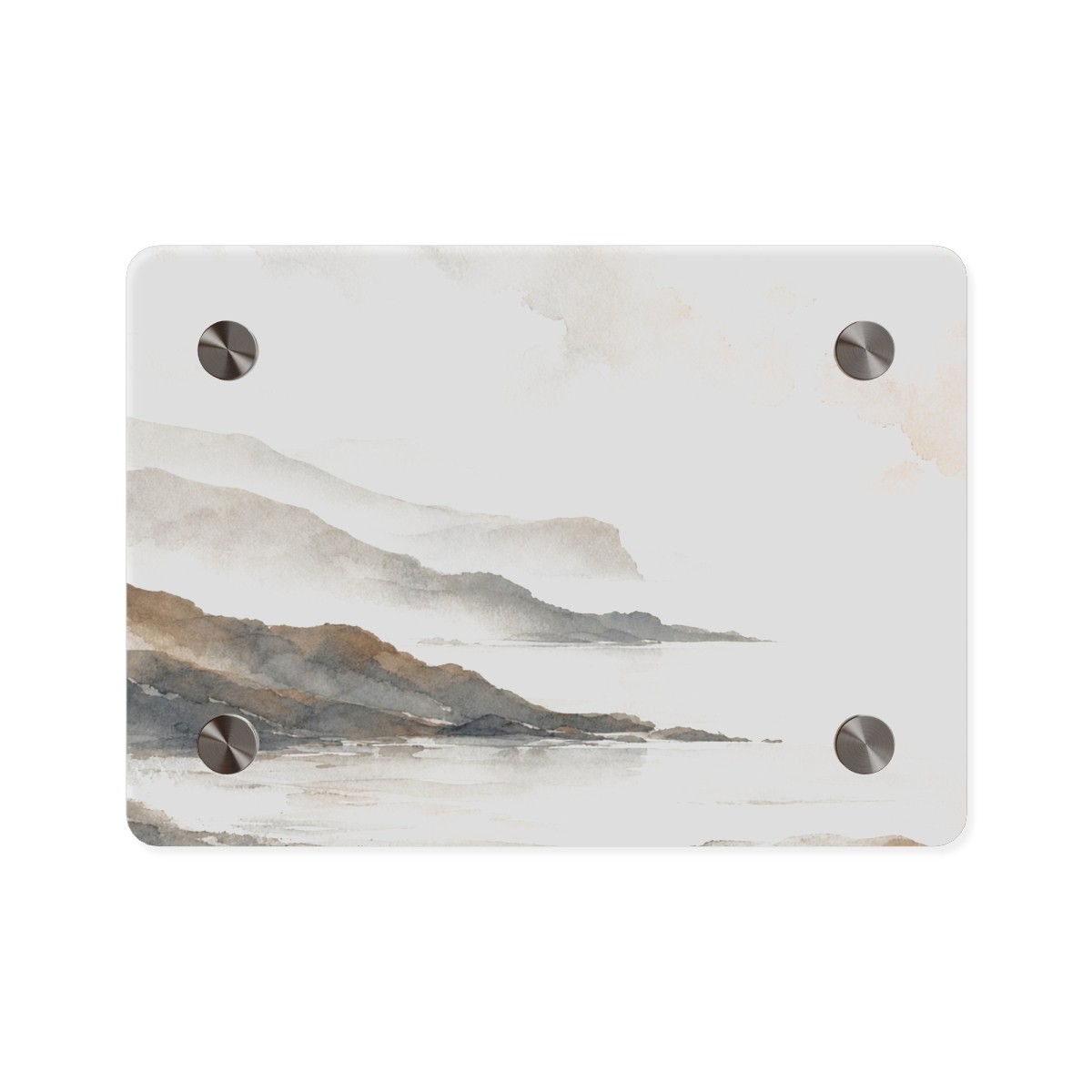
Morning Coast Acrylic Wall Art Panel
Morning Coast brings Nollei’s warm neutral artwork to this acrylic wall art panel.
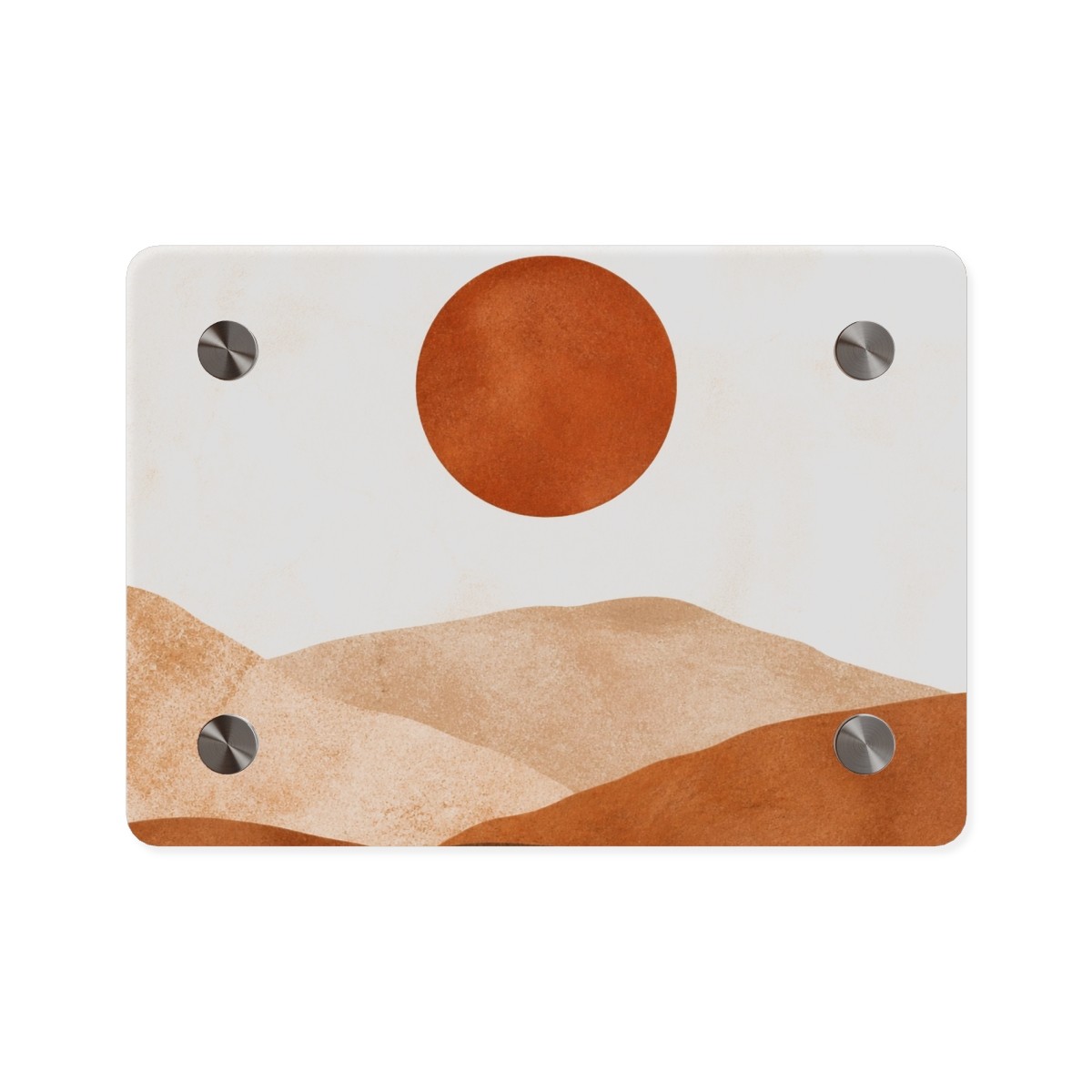
Terracotta Moon Acrylic Wall Art Panel
Terracotta Moon brings Nollei’s warm neutral artwork to this acrylic wall art panel.
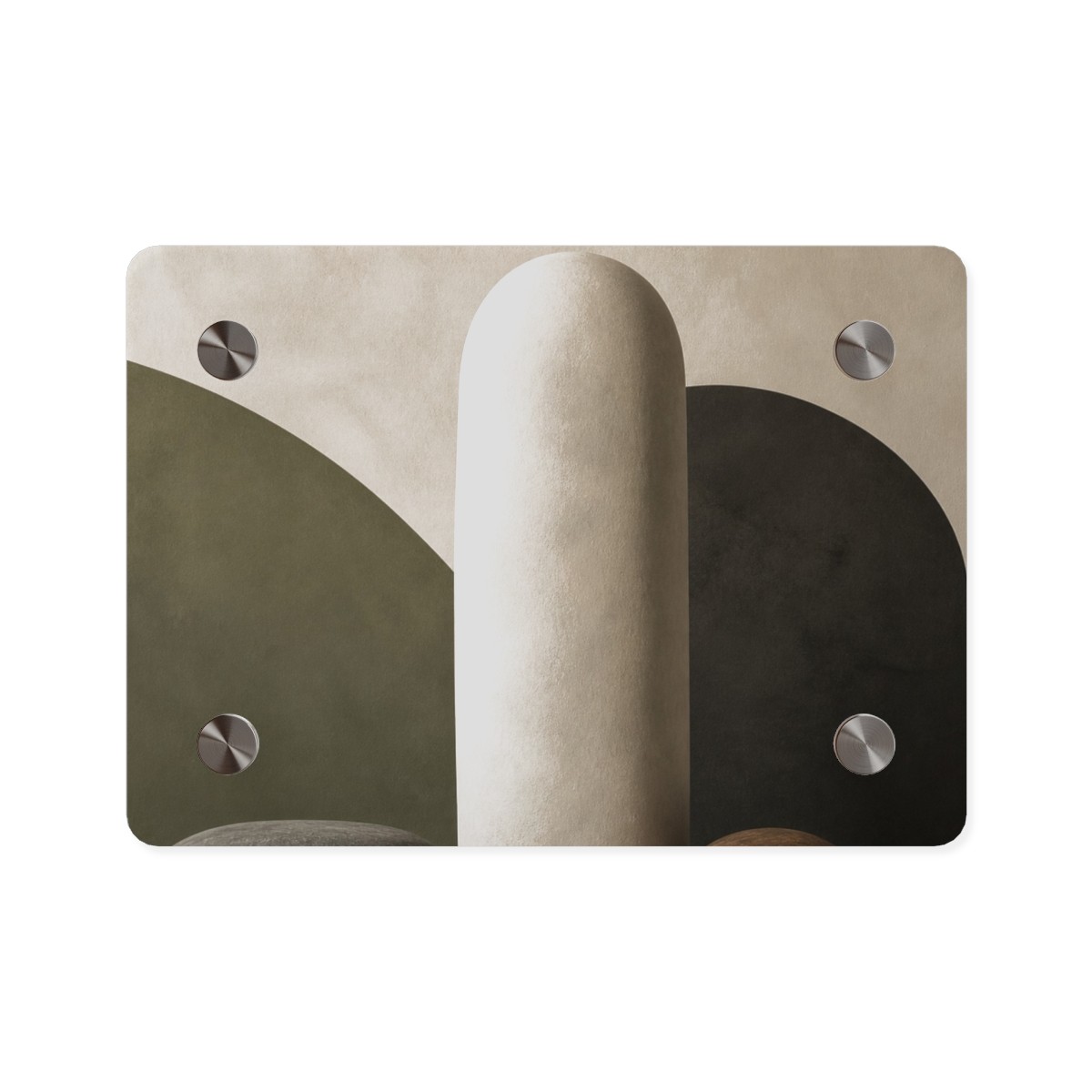
Soft Monolith Acrylic Wall Art Panel
Soft Monolith brings Nollei’s warm neutral artwork to this acrylic wall art panel.
Made after you choose it
Nollei products are connected to real production variants rather than displayed as catalog concepts. The selected size or finish is validated server-side at checkout, and production begins only after payment. This approach supports a wider, more unusual home collection without purchasing excess warehouse inventory or presenting unavailable objects as ready to ship.
Questions
Choosing with confidence.
What is an acrylic wall art panel?
An acrylic wall art panel presents artwork on a rigid, glossy 0.25-inch panel rather than on paper or canvas. Nollei currently offers three original compositions, each with 11 live size and orientation options from 5 × 7 inches through 20 × 16 inches. The individual product selector is authoritative for current variants.
How is acrylic wall art different from a framed print or canvas?
Acrylic has a crisp reflective surface and visible depth, while a matte framed print reduces glare and a canvas introduces woven texture. Choose acrylic when clean edges and luminous color suit the room; choose a matte format where direct reflections or a softer material presence matter more.
How do I choose the size and orientation of an acrylic wall art panel?
Measure the usable wall around furniture, switches and nearby objects, then mark the listed dimensions with removable tape. Horizontal panels suit consoles and benches, vertical panels fit narrow wall sections, and square panels work where the available space is balanced. Use product measurements rather than styled photography to decide.
Where should acrylic wall art be placed to control glare?
Check the wall at morning, afternoon and evening light levels before ordering. Avoid a position directly opposite an uncovered window or a harsh point light. Side light can emphasize the panel depth without obscuring the artwork, while a calmer wall helps the glossy surface feel intentional.